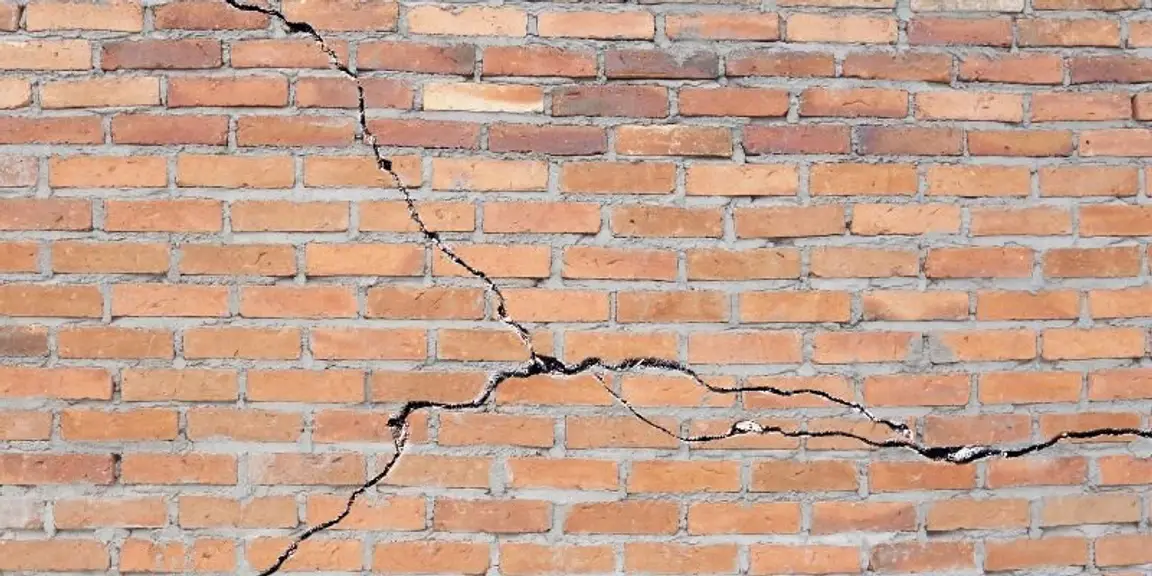

Your foundation is shifting. The concrete is cracking. Water is seeping into your basement during the spring melt, and you wonder if anyone will even want to buy your Anchorage home.
I’ve been buying houses across Alaska for over a decade, and foundation problems are more common here than anywhere else I work. Between our permafrost, freeze-thaw cycles, and seismic activity, Alaska foundations take a beating that would make Lower 48 contractors weep.
But here’s what most people don’t realize: you can absolutely sell a house with foundation issues in Alaska. The key is understanding your options and the unique challenges our climate creates.
Foundation Problems Common in Alaska’s Extreme Weather Conditions
Alaska’s brutal climate creates foundation nightmares that don’t exist in warmer states. Many homeowners dealing with structural damage eventually turn to cash home buyers in Alaska when repair costs outweigh the property’s market value. The median sale price sits at $274,500 (down 0.38% year-over-year), but the Alaska real estate market’s balance matters most. Even with foundation issues, there’s still demand for properties here.
Temperature swings from -40°F to 80°F put enormous stress on concrete and masonry. During winter, the ground contracts. Come spring, everything expands again. This constant movement creates hairline cracks that, over time, can turn into major structural problems.
I’ve seen foundations in Fairbanks that look like spider webs from repeated freeze-thaw damage. In coastal areas like Juneau, the combination of moisture and temperature changes creates a perfect storm for foundation deterioration.
Permafrost and Freeze-Thaw Cycles Impact on Home Foundations
When thawed, these soils can turn into a soft slurry with very little strength to support a building, leading to foundation failure. This is the reality for thousands of Alaska homeowners.
Permafrost covers nearly 85% of Alaska, but it’s not the stable foundation you might think. They are susceptible to settling when permafrost melts. These soils are also susceptible to heaving, which occurs when moisture moves to a freezing layer in the soil and moves (heaves) the soil above the freezing zone vertically.
When permafrost thaws underneath your home, the ground literally disappears. In nearby Mat-Su communities, homeowners often work with we buy houses in Big Lake companies when foundation movement becomes too expensive to stabilize or repair. I’ve walked through houses in Fairbanks where the living room floor slopes so dramatically that marbles roll from one end to the other. The homeowner didn’t even realize it was happening until a potential buyer pointed it out.
Climate change is making this worse. For every centimeter of rain, we see about one centimeter of additional top-down thaw. On average, Fairbanks now sees about five more weeks of rain than it did in the 1970s. More rain means more permafrost thaw, which means more foundation problems.
Foundation Settlement Problems in Alaska’s Unique Soil Conditions
Our soil conditions would challenge even the best engineers. We have problematic soils here in the Anchorage area. We have a lot of swampland and clay that tends to liquefy during earthquakes.
Silty soils dominate much of Interior Alaska. The riparian soils in Alaska river valleys are nearly always a friable (soft) silt. When these soils repeatedly freeze and thaw, they lose their bearing capacity. Your foundation essentially sits on Jell-O.
I bought a house in Eagle River, where the previous owner tried to fix settlement issues by jacking up one corner every few months. The real problem was that the foundation was built on fill dirt that hadn’t been properly compacted. Every spring, the house would settle another inch or two.
Differential settlement is the killer here. When one part of your foundation settles faster than another, you get cracks, doors that won’t close, and windows that stick. These problems only get worse over time.
Foundation Waterproofing Issues in Alaska’s Wet Climate Conditions
Water is your foundation’s worst enemy in Alaska. Between spring snowmelt, summer rains, and ice dams, moisture finds every weakness in your foundation walls.
Poor drainage around foundations is epidemic here. I can’t count how many houses I’ve looked at that have grading that slopes toward the foundation instead of away from it. Add permafrost that prevents water from draining naturally, and you’ve got a recipe for basement flooding.
Permafrost, because it is frozen, is nearly impermeable to moisture. Water that occurs above the permafrost table (the top of the permanently frozen layer) and in the active zone above it is extremely difficult to drain. Thus, in spite of low rainfall (as in Interior Alaska, for example), poor drainage becomes extremely noticeable.
Ice dams create additional problems. When snow melts on your roof and refreezes at the gutters, it can back up and flow toward the foundation walls. I’ve seen foundations in South Anchorage where repeated ice-dam damage caused structural cracks that required major repairs. This is especially important to understand when selling a home with a reverse mortgage in Alaska, since deferred maintenance and weather-related damage can directly impact your final payoff amount.
Alaska Building Codes and Foundation Requirements for Older Homes
The state adopted strict building codes after the magnitude 9.2 Great Alaska Earthquake of 1964. Still, they do not apply to residential structures that are three-plexes or smaller, according to the Alaska Seismic Hazards Safety Commission. This creates a huge gap in protection for most residential properties.
Many older homes in Alaska were built before modern foundation standards existed. The code was very thin in its seismic aspects. As the years went on and research continued to understand how buildings and other structures behave, the code kept getting thicker and thicker until it became what it is now.
If your house was built before 1980, chances are good that the foundation doesn’t meet current standards. That doesn’t mean it’s unsafe, but it does mean potential buyers might have concerns.
Most buildings in the southern Alaska city of about 300,000 are less than 20-30 years old, and local amendments to the already strict International Building Code further regulate construction in Anchorage, requiring in-depth soil analyses and designs that accommodate seismic loads. This shows how much standards have improved, but it also highlights the gap for older properties.
How to Identify Foundation Problems Before Selling Your Alaska Home
Smart sellers get ahead of foundation issues instead of hoping buyers won’t notice. Trust me, they always notice.
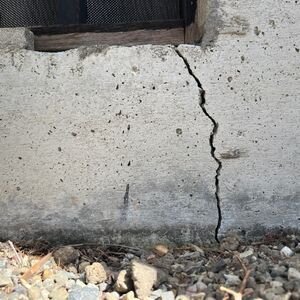
Start with a visual inspection of your basement or crawl space. Look for cracks in concrete walls, especially horizontal cracks or those wider than a quarter-inch. Step cracks in block walls are particularly concerning.
Check for water stains or efflorescence (white, chalky deposits) on foundation walls. These indicate moisture problems that buyers will flag immediately. In Alaska’s climate, moisture problems always get worse, never better.
Walk around the outside of your house and look at the foundation from ground level. Settlement often shows up as cracks in the foundation wall or gaps where the foundation meets the siding.
Inside the house, look for signs of foundation movement: doors that don’t close properly, windows that stick, and cracks in drywall, especially near corners and openings. Sloping floors are obvious giveaways that something’s moving underneath.
Professional Foundation Inspection Services for Alaska Homeowners
If you have any doubts about soil characteristics, core a sample before building a home. The cost of boring is minor compared to the cost of repairing foundations that may settle because of thawing permafrost. This advice applies to selling, too.
A professional structural engineer can give you a clear picture of what you’re dealing with. In Alaska, you want someone who understands permafrost, seismic activity, and our unique soil conditions. Don’t hire some guy from Seattle who’s never worked north of Bellingham.
Expect to pay $500-$1,500 for a comprehensive foundation inspection, depending on the size of your house and the complexity of the issues. This investment often pays for itself by helping you price your house correctly and avoid surprises during negotiations.
Some inspection companies in Alaska specialize in permafrost-related issues. They use ground-penetrating radar and other tools to see what’s happening beneath your foundation. If you suspect permafrost problems, this specialized knowledge is worth the extra cost.
Signs of Foundation Damage That Affect Property Value in Cold Climates
Buyers in Alaska know what to look for because foundation problems are so common here. They’ll spot issues that might go unnoticed in warmer climates.
Frost heave damage appears as horizontal cracks in foundation walls, usually about 18 to 24 inches below ground level. This happens when soil moisture freezes, exerting tremendous force on your foundation walls.
Another common problem in Alaska and other cold regions is damage caused by freeze-thaw cycles. When water gets underneath pavement (either through cracks or groundwater wicking up through the soil), and it freezes in the winter, it can cause the pavement to heave. This is because ice takes up more space than water. When that ice under the road thaws again and drains away, it creates a void under the pavement where there is no longer any material to support it. After vehicles drive over this pavement, it can dip, crack, and form potholes. The same principle applies to foundations.
Permafrost-related settlement creates a different pattern of damage. You’ll see vertical cracks, sagging floors, and doors that gradually become harder to close. The damage often appears gradually over several years.
Legal Obligations for Selling Foundation-damaged Homes in Alaska
Alaska follows the doctrine of “caveat emptor” (buyer beware) for most real estate transactions, but that doesn’t mean you can hide known problems.
You’re required to disclose any known material defects that could affect the property’s value or safety. Foundation problems definitely qualify as material defects. Trying to hide them will only create legal problems down the road.
The good news is that disclosure doesn’t kill sales. I’ve seen plenty of transactions close successfully, even with significant foundation issues disclosed upfront. Buyers appreciate honesty, and it allows everyone to negotiate from a position of complete information.
Disclosure Requirements for Foundation Problems in Alaska Property Sales

Alaska doesn’t require a specific seller’s disclosure form, but most realtors use a standard disclosure document that covers foundation issues.
Be specific in your disclosures. Don’t just write “foundation has some cracks.” Instead, describe what you know: “Horizontal crack in east foundation wall, approximately 3 feet long, first noticed in spring 2023. “No structural engineer evaluation completed.”
If you’ve had any foundation work done, provide documentation. Repair receipts, engineer reports, and contractor warranties all help establish that you’ve been responsible about addressing problems.
Most agents won’t tell you this, but thorough disclosure often works in your favor. It shows you’re dealing in good faith and helps prevent post-closing disputes.
Foundation Repair Costs vs Selling As-is in Alaska’s Housing Market
Foundation repairs in Alaska cost more than anywhere else I work. Everything costs more here: materials, labor, and the short construction season that drives up demand.
Basic crack repair might run $500-$2,000 per crack, depending on the size and location. Underpinning to address settlement issues can cost $15,000-$50,000 or more. Major foundation replacement? You’re looking at $75,000 to $150,000 for an average-sized house.
In Alaska, building and road damage due to permafrost thaw hazards could cost 37 to 51 billion US dollars by mid-century under medium- and high-emission scenarios, according to an analysis that uses satellite infrastructure data and a deep learning model. This gives you an idea of how expensive foundation problems can become.
But here’s the thing: you don’t always need to fix everything before selling. Sometimes the math works better to sell as-is and let the buyer handle the repairs.
Pricing Strategies for Alaska Properties with Structural Foundation Issues
While the median sale price sits at $410,000 (up 0.02% year-over-year), the real story lies in the market’s pace. Homes are moving in just 13 days, inventory stands at only 1.1 months of supply, and properties are selling for 99.84% of the asking price. Even in Anchorage’s hot market, foundation problems affect pricing.
Start with a realistic assessment of repair costs. Get quotes from at least three contractors who specialize in foundation work. Add 20% to the highest quote because foundation jobs almost always run over budget.
Price your house at market value minus the full cost of repairs, then subtract another 10-15% for the buyer’s hassle factor. Foundation problems scare buyers, even when they’re getting a good sale.
I’ll be straight with you: houses with foundation problems sit on the market longer. As of March 6, 2026, the median days on market (DOM) in Alaska is 35. On average, it takes about 42 days to sell in Alaska. Expect your house to take 60-90 days or more.
Negotiating Repairs vs Price Reductions for Foundation Issues
Smart buyers will ask for one of three things: you fix the foundation before closing, you give them cash at closing to handle repairs, or you reduce the price to account for the problems.
Each option has pros and cons. Doing the repairs yourself gives you control over quality but ties up your time and money. Giving cash at closing is clean but expensive. Price reductions are simple but might not fully compensate for the hassle factor.
I’ve seen sales where sellers offered to split repair costs with buyers. Such arrangements can work, especially if the buyer plans to do other renovations and can bundle foundation work with their other projects.
The key is flexibility. Different buyers have different preferences, and your willingness to work with them often determines whether you get a sale.
Alaska Real Estate Market Challenges for Homes with Structural Issues
In January 2026, home prices in Alaska were up 5.2% year over year, selling for a median price of $407,600. On average, the number of homes sold was down 11.4% year over year, and 374 homes were sold in January, compared to 418 in January. The market is still active, but buyers are more selective.
Foundation problems eliminate some buyers immediately. FHA and VA loans have strict requirements for structural issues. Conventional buyers often want extensive inspections and guarantees. Cash buyers are usually your best bet for problem properties.
The financing challenge is real. Most lenders won’t approve loans for houses with significant foundation problems until the issues are addressed. This limits your buyer pool to cash buyers or those willing to take on renovation loans.
Cash Buyers vs Traditional Buyers for Problem Properties in Alaska
Cash buyers don’t have to worry about lender requirements, appraisal issues, or inspection contingencies. They can close quickly and handle repairs on their own timeline.
If you’re wondering how Alaskan Home Buyers buys homes with structural or foundation issues, the process is designed to help sellers avoid costly repairs, financing delays, and lengthy negotiations.
Traditional buyers face hurdles with foundation problems. Their lender might require repairs before funding the loan. The appraiser might flag the issues and reduce the property value. Insurance companies might refuse coverage.
Companies like Alaskan Home Buyers specialize in buying houses with problems, such as foundation issues. They understand Alaska’s unique challenges and can close quickly without requiring repairs.
The trade-off is usually price. Cash buyers typically offer less than market value, but they eliminate the hassle and uncertainty of finding a traditional buyer for a problem property.
Marketing Strategies for Alaska Homes with Known Foundation Issues
Don’t try to hide foundation problems in your marketing. Savvy buyers will spot them anyway, and you’ll waste everyone’s time.
Instead, be upfront about the issues while emphasizing the property’s strengths. “Handyman special with great bones in a desirable South Anchorage location. Foundation needs attention, but the house has a new roof and updated electrical.”
Target your marketing to investors and contractors who aren’t scared of foundation work. These buyers see problems as opportunities rather than deal-killers.
Professional photos should show the house at its best while not hiding obvious issues. A good photographer can capture the property’s potential while being honest about its current condition.
Investment Opportunities in Alaska Properties with Foundation Problems
Here’s what nobody mentions: foundation problems can create opportunities for smart buyers. If you’re considering keeping the property as a rental, foundation issues might not be deal-breakers.
Some investors specifically look for properties with foundation problems because they can buy below market value. They have the expertise and resources to handle repairs cost-effectively.
Median single-family home prices in Anchorage in early 2026 are approximately $380,000 to $420,000, with significant variation by neighborhood. South Anchorage and Hillside skew above $450,000; more affordable neighborhoods like Government Hill are below $300,000. Condo prices are lower, typically $200,000-$350,000. Foundation problems can bring expensive neighborhoods within reach of investors.
The key is understanding whether the problems are cosmetic or structural. Cosmetic foundation cracks might cost $5,000 to fix on a $400,000 house. That’s a good transaction for the right buyer.
Rental properties with foundation problems need to be priced to account for ongoing maintenance. Tenants won’t tolerate doors that don’t close properly or floors that slope dramatically.
If you’re considering selling to an investor, companies like Alaskan Home Buyers can evaluate your property quickly and make fair offers based on its current condition and repair needs.
Working with Alaska-specific Real Estate Professionals
Not all real estate agents understand foundation problems in Alaska’s unique climate. You need someone who knows the difference between permafrost settlement and earthquake damage.
Look for agents who’ve been working in Alaska for at least five years. They’ve seen enough foundation problems to know what buyers will accept and what scares them away.
Your agent should have relationships with local structural engineers, foundation contractors, and specialty inspectors. These connections are invaluable when you need quick evaluations or repair estimates.
Don’t work with agents who suggest hiding foundation problems or “touching up” cracks with paint. You need someone who understands that honesty and proper disclosure protect everyone involved.
Alternative Selling Options for Problem Properties
Traditional listing isn’t your only option for dealing with foundation problems. Several alternatives might work better for your situation.
Auction sales can work for properties with significant issues. Buyers at auctions expect problems and make cash offers accordingly. You’ll typically get less than market value, but you can sell quickly without repairs.
Lease-to-own arrangements might appeal to buyers who want to handle repairs gradually. They get immediate occupancy while working on foundation issues over time.
Direct sales to investors or house-buying companies eliminate many complications. Companies like Alaskan Home Buyers understand Alaska’s foundation challenges and can close quickly without requiring extensive repairs.
The key is matching your selling method to your timeline, financial needs, and tolerance for hassle.
Understanding Buyer Perspectives on Foundation Issues
Put yourself in a buyer’s shoes. Foundation problems represent unknown costs, potential safety issues, and ongoing headaches. Even buyers who aren’t scared of repairs want to know exactly what they’re getting into.
Smart buyers in Alaska budget extra for foundation issues because they know how common they are here. They’re not necessarily looking for perfect properties, but they want honest information about problems.
Buyers often worry more about the unknown than the known. A house with disclosed foundation cracks and repair estimates is less scary than one that might be hiding problems.
First-time buyers are typically more concerned about foundation issues than experienced buyers or investors. Tailor your approach based on who you’re dealing with.
Seasonal Considerations for Foundation-related Sales
Alaska’s short construction season affects everything about foundation repairs and sales. Most foundation work happens between May and September, when the ground isn’t frozen.
If you discover foundation problems in October, you’re probably looking at waiting until spring to do major repairs. This affects your selling timeline and strategy.
Spring is often when foundation problems become apparent. Snowmelt reveals cracks that developed over winter, and settlement from freeze-thaw cycles becomes obvious.
Summer is the best time to sell properties with foundation issues, as buyers can easily inspect the issues and obtain repair estimates. Winter sales require more imagination from buyers.
Financial Planning for Foundation-related Sales
Foundation problems affect your net proceeds from selling, sometimes significantly. Plan accordingly.
If you’re doing repairs before selling, budget for cost overruns. Foundation jobs routinely exceed initial estimates by 25-50%. Have extra cash available or a line of credit to handle surprises.
Selling as-is means accepting a lower price, but it eliminates repair costs and the uncertainty of a timeline. Run the numbers both ways before deciding.
Consider tax implications if you’re selling at a loss due to foundation problems. Keep documentation of all repair costs and professional evaluations for your tax advisor.
If you’d like to discuss your property’s condition or timeline, you can fill out our quick contact us form to get a no-obligation cash offer and learn what options may work best for your situation.
Frequently Asked Questions
How Difficult Is It to Sell a House with Foundation Problems?
Selling a house with foundation issues is definitely more challenging than selling one without problems, but it’s absolutely doable in Alaska’s market. You’ll need to price appropriately, disclose honestly, and likely wait longer for the right buyer. Cash buyers and investors are typically your best prospects since they don’t face financing restrictions.
What Causes Most Properties to Fail to Sell in Alaska?
Overpricing is the biggest culprit, especially for properties with known issues, such as foundation problems. Many sellers price their homes based on comparable properties without accounting for needed repairs. Inadequate disclosure of problems also kills sales when issues surface during inspections.
What Factors Decrease Property Value the Most in Alaska?
Foundation problems, permafrost damage, and structural issues top the list in Alaska’s unique market. Poor drainage and water damage are also major value killers, given our climate. Location factors, such as remote access or proximity to industrial areas, can also significantly impact value.
What’s the Most Challenging Month to Sell a House in Alaska?
November through February are typically the toughest months for selling any house in Alaska, but foundation problems make winter sales even more difficult. Buyers can’t easily inspect exterior foundation issues when everything’s covered in snow, and they know they can’t start repairs until the spring thaw.
If you’re dealing with foundation problems and want to explore your options without pressure, we’re here to help. We’ve seen every type of foundation issue Alaska can throw at a house, and we can give you an honest assessment of what you’re dealing with. No obligation, no pressure—just straight answers about your situation and what it might be worth in the current market.
Helpful Alaska Blog Articles
- Selling a Probate House in Alaska
- How to Sell a Hoarder House in Alaska
- Does a Seller Pay Closing Costs in Alaska?
- Can I Sell a House with a Quitclaim Deed in Alaska?
- Sell House with Water Damage in Alaska
- Sell Fire-Damaged House Alaska
- How To Sell Your House With Foundation Problems In Alaska
- Selling home with reverse mortgage in Alaska
- Can You Sell a House with Tenants in Alaska
- Can You Sell a House With Asbestos in Alaska
- Can You Sell a House as-is Without Inspection in Alaska
- Is the Seller Responsible for Any Repairs After Closing
- How Long Does It Take to Sell a House in Alaska