

Selling your home without a real estate agent in Alaska sounds straightforward until you’re sitting at a kitchen table with a buyer, a stack of unsigned forms, and the slow realization that one missing document could unwind the entire sale. FSBO paperwork problems don’t always surface at closing. Some show up months later, when a buyer’s attorney spots an incomplete disclosure and picks up the phone. Getting the forms right from the start isn’t just good housekeeping; it’s the difference between a clean sale and a lawsuit.
Required FSBO Paperwork in Alaska

Selling a house without a realtor in Alaska involves paperwork that includes 14 required or recommended documents. The number surprises most sellers. They imagined a purchase contract and maybe a deed. Each piece of paperwork fits into one of three phases of the home-selling process: preparing to list your home, handling offers and contracts, and closing the sale. Skip something in phase one, and it ripples forward into phases two and three, stalling a buyer who already has movers booked.
Disclosure packages alone trip up more FSBO sellers than any other piece of the process. Alaska’s laws are specific; the state form is mandatory for most residential transfers, and handing it to the buyer at the wrong moment can actually give them the legal right to walk away from a signed contract. Getting this phase right matters more than pricing your home correctly, and that’s saying something.
What makes Alaska’s FSBO paperwork especially demanding is geography. A home in Anchorage has different practical considerations than a cabin off Parks Highway near Wasilla, and borough-level recording procedures vary enough that a seller in the Matanuska-Susitna Valley shouldn’t assume Anchorage’s process is identical to theirs. Your borough recorder’s office is the final authority on recording fees, accepted deed formats, and turnaround times.
If you want a knowledgeable local buyer who already knows this paperwork cold, Alaskan Home Buyers handles transactions all across the state and can close without putting the burden of forms and deadlines on the seller.
What Does It Mean to Sell a House by Owner in Alaska?
Some sellers push back immediately: “I owned the house, I should be able to sell it however I want.” Fair point, and they’re mostly right. Alaska does not require homeowners to use a listing agent or a real estate broker. Selling FSBO in Alaska means you’ll take on all the responsibilities typically handled by a Realtor, including setting the right price, marketing your home, managing showings, negotiating offers, plus handling legal requirements like seller disclosures, contracts, and property transfer paperwork.
In “for sale by owner,” the “by owner” part is real, and so is the workload. Every phone call from a buyer, every showing scheduled on a Tuesday night, every counteroffer written and sent, all lands on you. No transaction coordinator is sorting your documents at 11 pm so that the deal closes Friday (and that deadline won’t move).
What FSBO doesn’t mean is that you’re operating outside the legal framework. Alaska’s disclosure laws apply whether you have a listing agent or not. State purchase contract requirements apply whether you have a broker or not. Title companies still need a clean chain of ownership to issue a policy. Buyers using financing still need an appraisal completed and the sale to close by a lender’s deadline, which means the timeline is largely out of your hands once underwriting starts. Doing it yourself removes the commission, not the process.
One pattern I keep seeing with sellers who go it alone: they treat the FSBO decision as all-or-nothing. You can sell without a full-service realtor and still hire a real estate attorney to review your purchase agreement, or pay a flat fee MLS service to get your listing onto the multiple listing service. Unbundling these services often gives you the savings you wanted without the exposure of flying completely blind on the legal side (and that attorney fee is usually modest).
Alaska doesn’t require you to hire an attorney to sell your home, but doing so can protect you from costly mistakes. This is not a scare tactic. It’s just the reality that a single clause in a contract can determine who pays for a discovered defect after closing.
How Much Money Can You Save Without a Realtor in Alaska?
How much commission are you actually handing over when you hire a traditional real estate agent? Realtor commission costs sellers about 5.51% on average in Alaska. On a home priced at the current statewide median, that’s over $23,000 walking out the door before you’ve paid a single closing cost.
Going FSBO eliminates your listing agent’s portion of that fee. If the buyer works with their own agent, you would typically still offer a buyer’s agent commission to attract those buyers, but you would shed the listing side entirely. The savings are real money.
The honest part of this math that most articles skim over: FSBO homes don’t always sell for the same price as agent-listed homes. According to the NAR, FSBO homes sold at a median price of $360,000 in 2025, compared to the median selling price of agent-assisted homes, which was $425,000. Not all of that gap is caused by the absence of an agent; sellers often go FSBO when selling a Cordova home to someone they already know (a neighbor, a relative, a coworker), which skews the numbers. But the gap is worth thinking about carefully before you decide.
Early last year, I came across a retired couple in Anchorage who had gotten a contractor estimate to renovate their kitchen before listing. The estimate came back higher than the kitchen was worth. They were ready to spend money they didn’t need to spend, chasing a sale price that a good comparative market analysis would have shown was already achievable without the renovation. We bought the house as-is, and they walked away with more than they expected. The lesson wasn’t about FSBO versus agents; it was about knowing your numbers before you spend anything.
On average, closing costs run about 2.68% of a home’s sale price in Alaska, separate from commission. Those costs don’t disappear in an FSBO sale; they just look different. You’re still paying for title work, escrow, and recording (title alone surprised me the first time). Going FSBO saves the commission, not everything else.
FSBO vs Realtor: Which Option Makes Sense for Alaska Home Sellers?
For years, my default advice was that FSBO made the most sense for sellers who already had a buyer lined up. A neighbor, a family member, someone who knocked on the door and made an offer. Sellers in that situation don’t need a listing agent’s marketing; they just need the paperwork handled cleanly. I’ve softened that view. There are open-market FSBO sales that work very well, especially in a tight inventory environment where buyers are actively searching every available channel.
In May 2026, home prices in Alaska were up 2.6% compared to last year, selling for a median price of $420,506, with 631 homes sold that month and a median of 30 days on market. It’s a seller-friendly environment where homes aren’t sitting, and buyers are motivated. In that kind of market, a well-priced FSBO in a desirable Anchorage neighborhood can generate legitimate buyer interest without paying for a listing agent’s full-service package.
Where FSBO consistently underperforms is in complex situations: estate sales, properties with title clouds, homes needing significant repairs, or sellers dealing with a short timeline and a financing-contingent buyer. Each of those adds layers of paperwork and negotiation that get harder to manage without experience (and harder to recover from if you miss something). A buyer’s agent is not going to hand-hold a FSBO seller through a complicated transaction; they represent their client, not you.
The flat fee MLS model sits between full FSBO and full-service. You pay a flat fee, often a few hundred dollars, to get your listing on the multiple listing service. Buyer’s agents can find your property. You still handle showings, negotiations, and paperwork. For sellers who are comfortable managing the process but want MLS exposure, it’s a reasonable middle ground. The Alaska Real Estate Commission can point you toward licensed flat fee brokers operating in Alaska.
A real estate agent earns their commission when a transaction is complicated, a buyer gets cold feet, or an inspection reveals something ugly. In a clean, straightforward sale on a property in good shape with a motivated cash buyer in Alaska, the commission math often doesn’t add up.
How to Price Your Alaska Home Without a Real Estate Agent
Pricing is where FSBO sellers most frequently suffer their greatest and quietest losses. If you price too high, your home sits. Days on market accumulate, buyers start wondering what’s wrong with it, and you end up reducing the price anyway, usually below where you’d have landed with a smarter starting number.
A comparative market analysis is the tool for this. Without an agent pulling comps from the MLS, you can do your own version using Zillow, Redfin, and Realtor.com’s recent sales filters. Pull three to five sales of similar homes within a half mile, sold in the last three to six months, and bracket your home’s condition and features against theirs. The median sale price of a home in Anchorage was $428,000 over the last three months (through May 2026), and the median sale price per square foot hit $261, up 7.4% year over year. If you’re in Anchorage, those per-square-foot figures are a useful reality check against your asking price.
Outside Anchorage, you’ll need more localized data. Fairbanks, Juneau, and Wasilla have their own supply-and-demand dynamics, and a price that makes sense near Dimond Center in Anchorage might be completely off in College, Fairbanks. Your borough assessor’s website typically posts recent sales records; those are public, free, and genuinely useful for pulling comps manually.
Overpricing is the most common mistake I see with FSBO sellers. They anchor to what they paid, what they’ve put into the house, or what their neighbor claims the market is doing. The market doesn’t care what you paid in 2018. Buyers in Anchorage who are getting alerts for new listings will see yours within hours of it going live, compare it to everything else available, and move on if your number doesn’t hold up. Price it right on day one.
How to List and Market an Alaska FSBO Property
Once the price is dialed in, getting in front of buyers is the next problem. Buyers and their agents search the MLS first. A FSBO listing that doesn’t appear on the multiple listing service is invisible to a large portion of active buyers, especially those working with buyer’s agents who filter exclusively from MLS results.
Flat fee MLS services licensed in Alaska can put your listing on the MLS for a set fee of a few hundred dollars, without requiring you to sign a full listing agreement. Your listing syndicates from there to Zillow, Realtor.com, Trulia, and other platforms, reaching the same buyer pool a traditional agent would tap. Meaningful exposure without the full commission. You stay the primary contact; showings come through you directly.
Most sellers underestimate how much photos matter. A three-bedroom with a mountain view in Eagle River, shot with a phone on a cloudy afternoon, will perform worse than the same house photographed by a professional who knows how to capture Chugach light. Buyers scrolling through listings make split-second decisions. If your first photo doesn’t stop them, they’re gone.
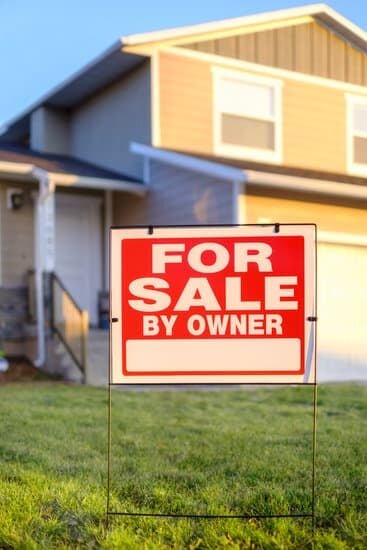
Yard signs work in Alaska, especially in neighborhoods with strong pedestrian and vehicle traffic. A clean sign with a phone number converts local interest that the internet misses completely. People who drive by a house regularly, know the neighborhood, and are already thinking about buying will pick up the phone if the sign looks professional and the price is reasonable (a weatherproof sign matters here).
Social media can supplement all of this. Community groups, local Facebook Marketplace listings, and neighborhood apps generate buyer leads that cost nothing. Don’t dismiss them; a buyer doesn’t need to come through an agent to write a valid purchase offer.
Alaska Disclosure Laws Every FSBO Seller Must Know
Skipping or shortchanging the seller disclosure is one of the most expensive mistakes an Alaska homeowner can make. The state law is specific about timing, form, and what has to be in it.
Before the transferee of an interest in residential real property makes a written offer, the transferor shall deliver by mail or in person a completed written disclosure statement in the form established under AS 34.70.050. Read that carefully: the disclosure goes to the buyer *before* they write their offer, not after. Sellers who hand it over at contract signing are already out of compliance.
A person who negligently violates or fails to perform a duty required by AS 34.70.010 through AS 34.70.200 is liable to the buyer for actual damages; if the violation is willful, the seller is liable for up to three times the actual damages. This is not a fine paid to the state. This is money owed directly to the buyer you just closed with.
The state form covers a lot of ground. Alaska’s disclosure law requires sellers to report known hazards like lead paint, asbestos, mold, and radon in a property. Beyond that, Alaska mandates specific flood disclosures, and sellers must use a state-provided form that asks flood-related questions. Drainage is a real issue in parts of the Mat-Su Valley and in low-lying areas near the Knik Arm; don’t guess on this one if you’ve had water in the crawl space, that goes on the form.
Federal law adds one more layer. The Residential Lead-Based Paint Hazard Reduction Act of 1992 requires you to disclose information about lead-based paint if your home was built before 1978. This means providing the buyer with the EPA pamphlet and a signed disclosure form, separate from the state form. Two different documents, two different requirements, and both have to be delivered.
Under AS 34.70.120, the first transfer of an interest in residential real property that has never been occupied is exempt from the requirement for the seller to complete the disclosure statement. Selling a new build covers that one narrow exemption, but everything else requires the full disclosure package. You can find the official state form at Alaska Department of Commerce website.
Legal Requirements and Paperwork for Selling a Home Without a Realtor in Alaska
The purchase contract is where most FSBO sellers assume a simple template downloaded from the internet will be sufficient. That template might be fine. Or it might be missing contingency language that protects you if the buyer’s financing falls through five days before closing, leaving you with no clear legal path to re-list the property.
A binding purchase agreement for an Alaska residential sale needs to cover more than price and closing date. The contract should address financing contingencies, inspection contingency timelines, how earnest money is held, and under what conditions it’s refundable, what happens if the appraisal comes in low, and which party pays for what closing costs. Key elements include purchase price, financing terms, inspection contingency, default provisions, and seller disclosures. Each of those has real legal consequences if left vague or absent, and I’ve seen a single missing default provision unravel an otherwise clean sale.
The deed is the document that actually transfers ownership. Most Alaska residential sales use a warranty deed, which conveys the property with the seller’s guarantee that the title is clear of claims made during their period of ownership. A quitclaim deed transfers whatever interest the seller holds without that guarantee; it’s used in specific situations, not as a general substitute. Whichever form you use, it needs to be executed correctly and recorded with your borough recorder’s office to be legally effective.
Title insurance is separate from the deed. In Alaska, it’s more common for the seller to pay for the owner’s title insurance. Your title company will run a title search before issuing a policy, and that search can surface old liens, unresolved judgments, or gaps in the ownership chain that have to be cleared before closing. A title search costs between $150 and $500. Budget for it early; title problems discovered at the last minute delay closings and occasionally kill sales outright.
If your property has an active HOA, you’ll also need to provide the buyer with the association’s governing documents, fee schedule, and any outstanding assessments. State law requires homeowners to be members of the HOA, so you must disclose the HOA fees as well as resale and lease restrictions. Buyers have the right to review this material and, depending on what the contract says, may be able to back out if they find something they don’t like.
Recording happens after closing. The recorder’s office in your borough files the deed and creates the public record of the new ownership. Your borough’s recorder can give you the current recording fee schedule, and fees vary by borough and document type.
When Do You Need a Real Estate Attorney in Alaska?
A seller in Anchorage got a cash offer on a Thursday. By Saturday, they had a signed contract. By Monday, the buyer’s attorney had found an unresolved mechanic’s lien from a contractor job done three years prior, and the closing was delayed for three weeks while it got sorted. Having an attorney in their corner on Thursday would have surfaced that lien before the contract was signed.
As noted earlier, no Alaska law requires you to hire an attorney. But there are situations where the risk of not having one outweighs the cost by a significant margin. Real estate attorney rates in Alaska run up to about $349 an hour, and a flat fee for a straightforward closing commonly falls between $750 and $1,250. For a single engagement to review a purchase contract, that’s genuinely affordable protection.
Hire an attorney when the title search comes back with anything cloudy. An old deed of trust that was never formally discharged, an easement dispute with a neighbor, a probate sale where ownership is being transferred from an estate; these are fact patterns where legal counsel pays for itself in the first hour. Similarly, if you’re selling a property with a tenant currently in occupancy, Alaska’s landlord-tenant statutes apply, and an attorney can help you navigate the disclosure and access requirements without creating liability.
Complex transactions also warrant professional review: land sales, manufactured homes being transferred as real property, properties with shared well agreements or private septic systems, and any sale where the buyer is proposing seller financing rather than a traditional lender. The more moving parts, the more places the paperwork can go wrong.
For those looking to avoid the complexity altogether, Alaskan Home Buyers works with sellers across the state and handles the paperwork side of the transaction, so you don’t have to manage attorney coordination, title searches, or contract reviews on your own.
How to Handle Offers and Negotiations on Your Alaska FSBO Sale

$428,000. That’s the recent median sale price in Anchorage, and most buyers making offers in that range have done their homework. They’ve seen the comps, they know the neighborhood, and they know when a price is soft. Don’t expect buyers to lowball out of ignorance; the information is too available now for that to be a reliable FSBO advantage.
Before responding to an offer, read it in full. An offer at full asking price with a 45-day financing contingency, a home sale contingency, and a $2,000 earnest money deposit might actually be less attractive than an offer 3% below asking with a cash buyer, no contingencies, and a 15-day close. The headline number isn’t the whole story.
Counteroffers in an FSBO transaction are written amendments to the purchase agreement. Both parties need to sign and date them, and the chain of counters becomes part of the binding contract. Keep every version of every document, organized by date. A buyer who claims the seller agreed to leave the riding lawn mower needs that in writing (personal property disputes get ugly fast); verbal agreements in real estate transactions are worth nothing in Alaska courts.
Earnest money should be held by a neutral third party: a title company or an escrow company, not by you personally. If the sale falls through, having that money in escrow with clear written conditions for its release protects both parties and removes a potential dispute from the personal relationship between buyer and seller.
Does the buyer have a pre-approval letter or just a pre-qualification? Pre-approval means a lender has reviewed financials and issued a conditional commitment. Pre-qualification is an informal estimate with no verification behind it, so those two letters cannot be treated as equivalent when you’re evaluating offers. That distinction can mean the difference between a sale that closes and one that falls apart in week three.
Closing Costs and Financial Details for Alaska FSBO Home Sales
A seller in Homer recently told me she’d budgeted for the commission savings but hadn’t thought through the rest of the closing, and the final settlement statement still surprised her. She wasn’t overcharged; she just hadn’t added up the other fees that exist regardless of whether an agent is involved.
Alaska doesn’t charge a transfer tax for transferring your home’s title to its new owner, which is genuinely good news and puts Alaska in the minority nationally. One fewer line item on your closing statement.
Beyond that, plan for real costs. Title insurance, when the seller covers the owner’s policy as is common in Alaska, runs roughly 0.3% of the sale price. A title search, escrow fees, and recording fees all add up. Settlement and closing fees run from $400 to $800, paid to the title company or attorney who conducts the closing. If you have an outstanding mortgage, you’ll also need to calculate your payoff amount, including any accrued interest up to the closing date, before you can accurately estimate your net proceeds.
Property taxes are prorated at closing. If you’ve paid your property taxes for the year and close in July, the buyer owes you a credit for their share of the year. If you haven’t paid taxes and they are due, they’ll be deducted from your proceeds. Your escrow officer handles this calculation; just make sure your current tax status is accurate before closing day.
Home inspection fees, if you choose to do a pre-listing inspection, run between $350 and $450 in Alaska, according to current market data. A pre-listing inspection isn’t required, but sellers who do one avoid the surprise of a buyer’s inspector finding something mid-contract that triggers a renegotiation or a credit demand.
Common Mistakes Alaska FSBO Sellers Make and How to Avoid Them
Sellers who try to skip the comparative market analysis and instead rely on an automated valuation from an online platform are pricing their home against an algorithm that doesn’t account for your neighbor’s new fence, the deferred maintenance on your roof, or the fact that your Anchorage neighborhood has been appreciating faster than the algorithm’s data reflects.
Disclosure timing catches FSBO sellers by surprise more than almost any other issue. Sellers hand the disclosure form to the buyer along with the purchase contract, or worse, at closing. That’s backwards. The state law is clear: the disclosure goes to the buyer before they write their offer. A buyer who receives an incomplete disclosure or one delivered too late has specific legal rights under AS 34.70, including the right to terminate their offer within a defined period after receiving the corrected disclosure.
Vague contingency timelines create chaos. “Inspection within a reasonable time” means different things to different parties. Write specific dates. If the inspection period is ten days from the effective date of the contract, say that. If financing must be secured within 21 days, say that. Ambiguity in a contract doesn’t protect the seller; it creates room for the other party to argue whatever serves them.
Sellers also underestimate the emotional weight of negotiations. A buyer who comes back with a low repair credit request after the inspection can feel like an attack on your home and your stewardship of it. Those feelings are real, but letting them drive the negotiation will cost you money. Respond to the numbers, not the tone.
One more thing nobody usually flags: don’t hand over access to the property before closing. Buyers who ask for early possession, even casually, for measuring or storage, are creating a legal relationship before the transfer is recorded. Your title company and attorney will tell you the same thing. Wait for the deed to record.
Alternatives to Selling Your Alaska Home Without a Realtor
Choosing the wrong selling method for your situation can cost you months and real money. A seller who commits to a full FSBO on a complicated probate property, then discovers that six weeks in, the title work alone requires an estate attorney, has lost time they can’t recover, and may now be negotiating under pressure.
Full-service agents still make sense for sellers who want someone else managing the process end-to-end. You pay the commission; you get marketing, negotiation, paperwork management, and a transaction coordinator who keeps the timeline moving. In a rising market, a skilled listing agent recovers their commission through better pricing and stronger negotiation. Worth considering more times than not.
Flat fee MLS listings, as covered earlier, give you MLS access for a fixed cost. You handle showings and negotiations yourself, but buyers working with agents can find your property. For sellers who are organized, responsive, and comfortable with contracts, this option captures much of the upside of full FSBO while closing the marketing gap.
Cash home buyers like Alaskan Home Buyers represent a different kind of alternative entirely. No listing, no showings, no waiting for a buyer’s financing to close. You get a cash offer, choose your closing date, and nearly skip all the paperwork burden. For sellers facing a time constraint, a property that needs significant work, or a life situation where simplicity matters more than squeezing every dollar out of the sale, this path is worth a serious look.
A landlord I worked with in Seward was splitting assets through a divorce and just wanted the property gone cleanly. The garage was full of the other party’s tools and hadn’t been cleared out by Wednesday when we walked through it together. There was no appetite for showings, negotiations, or delays. We closed on the seller’s schedule, the title transferred cleanly, and both parties moved on. That kind of situation is exactly what a direct cash buyer is built for.
Is Selling Without a Realtor in Alaska Worth It?
Some sellers ask this and are really asking: “Can I trust myself to handle something this complicated?” That’s a fair question, and the honest answer is: it depends on the transaction, not just on you.
A clean property, a motivated buyer, a straightforward title, and a seller who reads contracts carefully and asks questions before signing: that combination makes FSBO very viable. Alaska’s market in mid-2026 is generally favorable to sellers. With only 2.4 months of supply and properties taking an average of 33 days on market, sellers maintain strong pricing authority and attract competitive offers. In that environment, a well-priced property in a desirable area can move quickly with or without a listing agent, which I’ve seen hold true even for homes that needed minor cosmetic work before listing.
Where FSBO gets harder is when the transaction has complications: a buyer whose financing keeps shifting, a disclosure question you’re not sure how to answer, a buyer’s agent who’s experienced and aggressive in negotiations while you’re doing this for the first time. In those situations, the commission you saved can evaporate faster than you’d think.
The paperwork burden is real but manageable if you approach it methodically. Understand which documents are required, get the timing right on your disclosure, hire an attorney to review your purchase agreement if anything looks unfamiliar, and use a title company to handle escrow and closing. You don’t have to do every piece yourself; you just have to make sure every piece gets done.
Alaska’s FSBO process is worth it for the right seller in the right situation. The savings are real. The freedom to control your own timeline and negotiation is real. What isn’t real is the idea that going without a real estate agent means going without any professional involvement at all. Budget for an attorney’s review, a title company’s services, and your own time, and the math usually still works in your favor.
Frequently Asked Questions
How Do You Sell a House by Owner in Alaska?
Selling a house by owner in Alaska means handling the pricing, marketing, disclosure paperwork, purchase contract, and closing coordination yourself, without a listing agent. Start by completing the State of Alaska Residential Real Property Transfer Disclosure Statement, price your home using comparable sales data, and list it through a flat fee MLS service or direct marketing. From there, you’ll manage offers, negotiate terms, and coordinate with a title company to handle escrow and close the sale cleanly.
What Is a Quitclaim Deed in Alaska?
A quitclaim deed transfers whatever ownership interest the grantor holds in a property, without any guarantee about the quality of that title. Unlike a warranty deed, it carries no promise that the title is free of liens or prior claims, so it’s generally used in specific situations like transfers between family members, divorce settlements, or clearing a technical title defect. For a standard home sale to a third-party buyer, most sellers use a warranty deed instead, which offers the buyer more legal protection against prior ownership disputes.
What Is Alaska Statute 34.70?
Alaska Statute 34.70 governs disclosure requirements for residential real property transfers throughout the state. Under AS 34.70.010, sellers must deliver a completed written disclosure statement to the buyer before the buyer submits a written offer. The statute also outlines penalties for non-compliance: a negligent violation makes the seller liable for the buyer’s actual damages, while a willful violation can expose the seller to up to three times those damages, plus the buyer’s attorney fees. Your real estate attorney or the Alaska Real Estate Commission can walk you through the specific form requirements.
How Do I List My Property for Sale by Owner?
Start by preparing your disclosure paperwork and setting a competitive price based on recent comparable sales in your area. To reach the widest pool of buyers, pay for a flat fee MLS listing through a licensed Alaska broker, which will push your property to Zillow, Realtor.com, and other major platforms. Supplement the MLS with yard signs, social media posts in local community groups, and direct outreach if you already have potential buyers in mind. Once offers start coming in, every counteroffer and amendment needs to be in writing and signed by both parties to be binding.
If you want to talk through your options, we’re here. Whether the FSBO route makes sense for your property or a direct cash offer would serve you better, the team at Alaskan Home Buyers knows the Alaska market and is happy to have an honest conversation with no pressure and no obligation.
Helpful Alaska Blog Articles