Dealing with water damage can be overwhelming, especially if you’re planning to sell your house in Alaska, where harsh weather conditions often exacerbate such issues. However, selling a home with water damage doesn’t have to be a daunting task. With the right approach and understanding, you can navigate the complexities and turn challenges into opportunities. This guide aims to equip sellers with practical insights and strategies to showcase their property’s potential and attract discerning buyers who value the unique charm of Alaskan real estate, even amid water-related challenges.
Key Highlights
- Comprehensive repairs can boost home value and reassure buyers about resilience against future water damage.
- Accurate disclosure of water damage details protects sellers from legal liabilities and maintains buyer trust.
- Creative staging and digital marketing effectively highlight a home’s strengths and attract potential buyers.
- Flood insurance is essential for safeguarding homes in Alaska’s flood zones, enhancing market appeal.
- Choosing between repairs and selling as-is depends on market trends, repair costs, and seller priorities.
Understanding Water Damage in Alaska Homes
Alaska’s unique terrain and landscape create interesting challenges for homeowners regarding water damage. If you are trying to sell your home, understanding the impact of this damage on your home’s value is critical. Sellers need to understand the value of water damage to transactions with buyers’ concerns. Selling a home with water damage in Alaska is complex, and understanding the common causes of water damage and the impact of water damage on your home’s overall value is critical to making a good sale.
Common Causes of Water Damage
Potential buyers face several risks of home water damage in Alaska’s extreme weather, which can most impact a home sale. Potential issues will be highlighted as causes of water-damage risk.
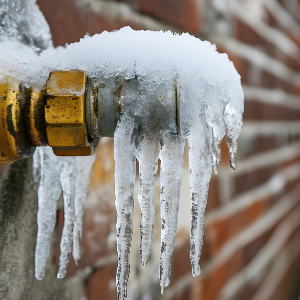
Freezing and thawing weather cycles can cause damage to homes with water pipes. During thawing cycles, highly destructive bursts can happen. Flooding can occur if water drainage systems fail. Flooding caused by thawed snow and ice can create issues. Rapid snowmelt creates a higher flooding risk than seasonal storm snow, as the risk of drainage issues increases.
Home and property storm flooding caused by high tide and flooding. For coastal homes, flooding can degrade property even if the home is elevated, as salt can corrode and cause structural damage. Water can enter homes during seasonal rain, as it can be funneled through poor roof sealing and clogged gutters, and then collect in stagnant water in living spaces below the floor.
Foundation cracks and poor drainage can worsen water-damage issues in homes. Proper maintenance is essential, as rot, mold, and other costly damage can occur quickly, even with minor leaks.
Homeowners in Alaska prioritize preserving their home and its value during a sale by addressing water damage issues. Addressing the basic issues of water damage will increase a home’s value in a competitive seller’s market. Value preservation includes protecting the home. Insulating pipes, maintaining gutters, and addressing drainage issues will reduce water damage.
Impact on Home Value
Water damage affects a home’s market value even more in Alaska, where buyers expect a home to withstand the winter. Most buyers see water damage and move on because the repairs and future water problems seem to be too expensive.
Repair costs are the main reason water-damaged homes are so difficult to sell. Mold and structural damage are other issues that help lose the home’s appeal. Repairing the water-damaged home will help sell it, as water damage will still deter future buyers.
To an extent, safe measures can be taken to help protect a home’s value. Repairing any water damage and later replacing the damaged waterproofing, drainage, and roofing will show buyers that the home is ready for Alaskan winters and well-maintained.
Documentation is just as important as repairs. Inspections and repair logs will help buyers regain trust and value the home. Enduring the wait for a buyer to settle for a home warranty can help sell the home.
While water damage can indeed decrease a home’s value, doing the right repairs, being honest, and having the right strategy can help you maintain a competitive advantage in the market.
Legal Considerations: Disclosing Water Damage
Alaska home sellers must understand their legal obligations regarding water-damage disclosure. Under Alaska law, sellers must disclose significant defects, including water damage. This responsibility protects both the buyers and sellers during the real estate transaction. For home sellers, knowing what is legally required and the ramifications of failing to disclose information helps avoid potential legal issues. For that reason, it is important to properly address water damage. Let’s take a look at what Alaska home sellers face legally and the consequences of non-compliance.
Requirements for Home Sellers in Alaska
Selling a house with water damage means that you must give full, legal, and accurate disclosures on damage you know exists. Additionally, you must describe the damage, how it happened, and what repairs and improvements you did (if any).
This type of information is typically placed in a seller’s disclosure statement. This document helps both parties (you and the buyer) in the transaction. When a seller is truthful about damage, it helps the seller avoid legal problems and helps the buyer build trust in the seller.
When selling a home and providing disclosures on water damage, a seller must have, and better yet, legally it is required to have an inspection report, repair documentation (if available), and any documentation regarding preventative steps taken (i.e., waterproofing, drainage systems, etc.). This is done to alleviate any legal complaints against the seller.
Working disclosures and documentation are legally required and help the buyer feel reassured that the issues in the home have been properly addressed. You should seek a legal professional or a qualified real estate agent to review your disclosures for any legal deficiencies.
In the end, simple disclosures help buyers feel confident, and the fewer disclosures, the less chance you have of buyer dissent.
Penalties for Failing to Disclose
When selling a home in Alaska, failing to disclose water damage can be very costly. The law in Alaska says that home sellers must disclose defects in their properties, and not doing so puts you in a lot of danger.
If a water damage situation is described as a defect and is not disclosed, the seller can be sued, have their sale voided, and be fined. Buyers can sue sellers who fail to disclose defects or to repair damage after closing the sale. Most of the time, the court will make the seller pay the repair cost, attorney’s fees, and penalties.
In addition to losing a lawsuit, your reputation will be questioned. Buyers will abandon the purchase or ask to purchase the home for a much lower price. This will increase the time to sell the home and decrease the likelihood of selling it at the initial price.
If you disclose water damage to the buyer, you will minimize the legal risk. Disclosing defects builds trust with buyers, simplifies negotiations, and shields the seller from legal issues. Disclosing defects also protects the seller legally. Disclosing defects is a selling strategy that promotes confidence in sellers.
Preparing Your Home for Sale
Water damage makes selling a home hard and expensive. Luckily, selling a home in Alaska with this kind of damage can be straightforward with the right preparation. Homeowners can choose to either make the necessary repairs, cover the damages without repairs, or sell the home “as-is”. Each of these choices comes with its own pros and cons. Repairing the damages and understanding your selling options will help you make the best possible decision and increase the appeal of your home in Alaska’s real estate market.
Steps for Repairing and Mitigating Water Damage
If you have water damage that needs to be repaired, protecting your home’s value or selling it becomes increasingly difficult, especially in Alaska’s climate, making repairs urgent. The work can be tedious, but with an organized approach, it can be done efficiently, though some issues may not be able to be addressed.
An organized approach should start with a single professional inspection. This should show whether there has been any damage to the lower layers of the structure’s floors, walls, or ceilings that could cause damage, especially damage that may not be visible, such as mold, due to the very common water issues. Having a professional confirm the lack of evidence can prevent future issues, as there may still be water issues regardless.
Once the layout of the repairs is established, the next step is to ensure they are done to code. Laws are strict in almost every state, especially in the North, where the climate is harsh. This means that a lack of good materials or quality artistry can actually reassure the homebuyer. This means that mold can actually be more beneficial to the home repair work.
Once repairs are done, there should be nothing more to repair. The injury should result from detectors, PVC units, or similar equipment. The injury should also result from good-quality work, or simply good work. Minimal injury will be due to the lack of a water table over the last 5–10 years. The result will be less flooding and fewer injuries, and with good-quality maintenance, poor drainage will be eliminated or replaced with a good system. Otherwise, poor drainage and poor maintenance will cause damage and flooding, requiring costly repairs.
Lastly, keep records of past repairs, inspections, and upgrades. Having a history of your recent maintenance increases buyer confidence and supports your pricing.
In combination, repairs, preventive measures, and documentation can improve your home’s overall condition and increase its competitiveness in Alaska’s tight real estate market.
Choosing Between Repairs or Selling As-Is
Deciding whether to repair your water-damaged home or sell it as-is can significantly affect your timeline, profit, and overall effort as a seller in Alaska.
Selling your house as-is means listing it without making repairs, which is ideal if you want to avoid high costs or sell quickly. While this option may lead to a lower price, it often attracts investors and cash buyers who are prepared to handle renovations. Being transparent about any water damage is essential to maintain trust and meet Alaska’s disclosure requirements.
For a faster and more convenient sale, working with Alaskan Home Buyers, a local cash house-buying company in Anchorage, AK, and nearby areas, can simplify the process. They buy homes in any condition in most cities in Alaska, allowing you to skip repairs and close on your timeline.
Repairing the damage, however, can increase your home’s value and appeal to buyers looking for move-in-ready properties. In Alaska’s harsh climate, a well-maintained home can stand out, but repairs require time and money and don’t always guarantee a higher return.
Ultimately, the best choice depends on your budget, timeline, and the extent of the damage. If repairs feel overwhelming, selling as-is, especially to a buyer like Alaskan Home Buyers, offers a quicker, less stressful solution. Feel free to contact us at (907) 531-5345 today!
Marketing Strategies for Selling Homes with Water Damage
Selling homes that have sustained water damage requires carefully crafted marketing strategies to attract potential buyers in Alaska. While there may be some obstacles, there are plenty of creative ways to draw buyers to damaged properties. Water-damaged homes can be marketed as having “better than average” potential. Sellers can spotlight parts of the home that are free of water damage and showcase potential repair solutions to convert buyer skepticism into interest and increase the rate of home sales amid fierce competition in the real estate market.
How to Market a Water-Damaged Home in Alaska

When selling homes with water damage in Alaska, highlighting the property’s strengths and being transparent with how the damage affects each aspect are imperative. Most buyers see a water-damaged home as a negative. The right marketing approach presents homes as a great opportunity, instead.
Think about the home’s best features. Talk about water-damage-free zones and provide details on updated kitchens, renovated bathrooms, or structurally intact living spaces. If your home has a great location or overlooks a great location, talk about the views and nearby hot spots! The real estate business in Alaska is extremely competitive, and the right location will help you secure a sale.
Buyers will see water-damaged homes as a project, so your home needs business professional staging. Staging provides a whole new perspective and allows potential buyers to see themselves in the home. The right décor in clean spaces creates a welcoming atmosphere and makes the property feel move-in ready. Repairs do not have to be completed.
A larger audience can be reached using digital marketing. High-quality photos, video walkthroughs, and virtual tours can help buyers provide a real-time look at the home and see the damage you’re transparent about. See the potential in your home and use the little things buyers notice to help sell it. The right investment can help buyers see your home in a positive light.
When marketing a home affected by water damage, it’s important to be as honest as possible. Tell potential buyers everything that is wrong with the home, and even provide documents about repairs, inspections, and updates. Being honest about the home’s condition builds trust with buyers. Documentation of drainage systems and other waterproofing systems shows mitigation efforts that may help buyers feel more comfortable making an offer.
Buyers may be encouraged to make an offer if they see that they will gain something if the home is sold. Incentives such as covering closing costs, offering a home warranty, and other perks can make the offer more appealing, especially for buyers looking to renovate.
Lastly, if the water-damaged home is in Alaska, it may be beneficial to hire a real estate agent who specializes in selling damaged homes to target investors or fixer-upper buyers. With the use of effective marketing, building trust, and having an honest target, you can sell a water-damaged home in Alaska.
FAQs
What are the legal obligations for water damage disclosure when selling a home in Alaska?
In Alaska, sellers must disclose any significant water damage to potential buyers. This legal obligation ensures transparency and protects both parties. Detailed documentation of water damage, causes, and repairs should be provided in a seller disclosure statement to maintain trust and safeguard against future legal issues.
How does water damage impact a home’s market value in Alaska?
Water damage can significantly lower a home’s market value due to potential repair costs and future maintenance challenges. Buyers may perceive such properties as risky, deterring them due to concerns about mold growth and structural integrity. Sellers should address these issues upfront to mitigate negative perceptions.
Is repairing or selling as-is better for a water-damaged home in Alaska?
The decision between repairing and selling as-is depends on factors such as repair costs, market conditions, and the seller’s priorities. Repairing damage can increase market appeal, while selling as-is might attract buyers looking for renovation projects but may result in a lower selling price.
Why is flood insurance important for homes in Alaska?
Flood insurance is crucial for homes in Alaska’s flood zones, given the state’s susceptibility to flooding from rapid snowmelt, heavy rainfall, and coastal storms. It provides financial protection against damage from these events, enhancing a property’s marketability and offering peace of mind to both sellers and buyers.
How can sellers highlight positive aspects of water-damaged homes in Alaska?
Sellers can emphasize positive aspects by showcasing unaffected areas, highlighting energy-efficient upgrades, and leveraging scenic views or desirable locations. Transparency about repairs and potential improvements, coupled with strategic home staging and digital marketing, can shift focus from negatives to possibilities.
Helpful Alaska Blog Articles