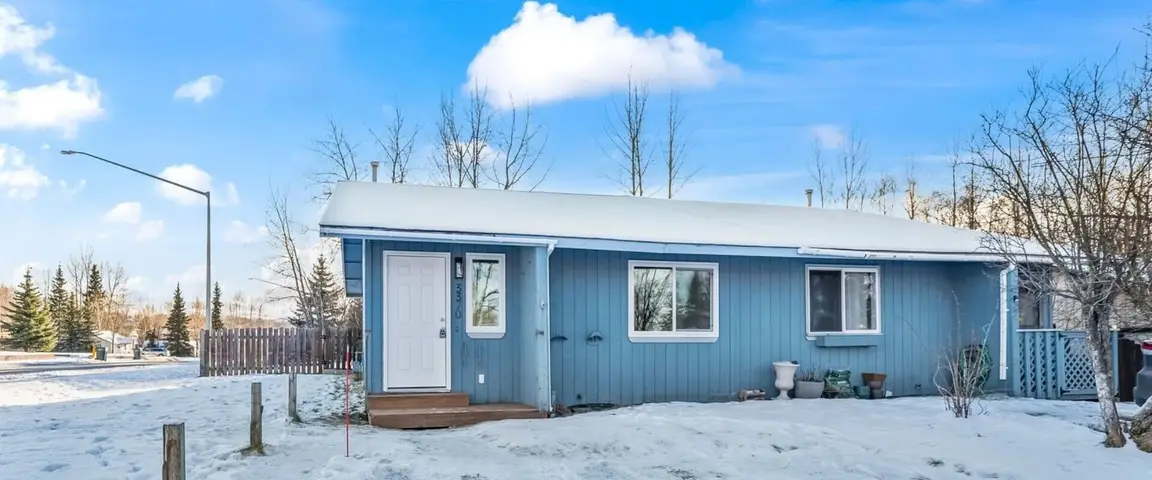

A missed property tax bill in Alaska won’t cost you the house this year. Probably not next year either. State law gives owners a long runway, and that’s what gets people hurt. Penalties and interest pile up on the delinquent bill while nothing seems to happen. Then your parcel number shows up in a newspaper list.
Tax trouble comes up in a lot of the calls I take. The owners are rarely careless. They’re stretched thin by a layoff, a divorce, a parent’s medical bills, or an inherited cabin nobody can afford to heat through an Interior winter.
What follows is the real timeline. It runs from the first missed installment to the day the deed transfers to the borough.
How Do Property Taxes Work in Alaska?
A seller called me from Mountain View about a duplex she’d owned since the nineties. She was sure her assessment had doubled overnight. It hadn’t, but her bill had climbed enough that two years of partial payments left her with a delinquency she couldn’t see a way out of.
Your property tax bill doesn’t come from the State of Alaska. Boroughs and cities do the assessing, the levying, and the collecting. That’s why a neighbor in another borough can pay a very different rate on a nearly identical home. Your assessor puts a value on the house. The assembly sets a mill rate, and your bill comes from the two together.
Anchorage makes a clean example. For 2026, the Municipality set an average general government rate of 8.97 mills. That works out to $897 for every $100,000 of taxable assessed value. Its 2026 valuation report shows residential assessed values up about 4.3% from the year before, with commercial up 7.7%.
Timing matters as much as the rate, something I learned the hard way buying houses here. Anchorage mails real property tax notices by June 1. You can pay it all by June 30 or split it in two. The first half is due June 30, and the late penalty hits July 8. The second half is due August 31, with its penalty on September 8. Those dates come from the Municipality’s real estate property tax page, and other boroughs run on their own calendars.
Miss a property tax deadline in Anchorage and a 10% penalty lands on the unpaid installment, and interest then runs at 10% a year. If a bill never shows up, the Municipality says it’s on you to call the tax office. For the full calendar and your payment options, see our guide to property tax deadlines for homeowners in Anchorage.
Can Alaska Foreclose on My Home for Unpaid Property Taxes?
There’s no courthouse-steps auction in an Alaska tax foreclosure. The property transfers straight to the municipality instead of a bidder with a cashier’s check. That one difference shapes how the process feels and how much time you really have.
Yes, your borough can take the house. State law tells municipalities to enforce delinquent real property tax liens through an annual foreclosure, unless a local ordinance sets up another method. Your parcel joins a list with every other delinquent parcel in the borough. The whole list goes to Superior Court as one case.
That word “annual” matters. Boroughs around the state don’t chase parcels one at a time all year. Kodiak Island Borough says on its property taxes page that its process usually starts in January for the prior year’s delinquent taxes. Anchorage filed its 2026 petition in Superior Court, Third Judicial District, on May 6.
Last year I bought a house in Eagle River from three siblings who’d inherited it and let two years of bills slip. One of them took a job transfer and gave the group five weeks to clear out. That included a garage with two snowmachines and their dad’s welding setup. We closed inside that window, and the delinquent taxes came off the top at closing. Homeowners there have a local option with cash home buyers in Eagle River.
Hold onto this part. Until the municipality takes title, the debt can still be paid, and anyone can pay it. A buyer can, or a relative, or a refinance, or you with a tax refund, and the parcel comes off the list.
What Is the Alaska Property Tax Foreclosure Process?
If you’re at the kitchen table with a stack of notices, the borough will act sooner or later either way. What matters is which step they’re on right now, because each step has a different exit.
Step one is publication. The borough publishes the foreclosure list with each parcel and the amount owed. Within ten days after the list is first published or posted, the statute has the borough mail you a notice that the petition was filed.
Next comes the court. A judge enters a judgment and decree of foreclosure covering the whole list. The parcels then transfer to the municipality for the lien amount. Nobody bids, and no strangers walk your property.
You can pay the taxes, penalty, interest, and costs and come off the foreclosure list any time before the transfer. By then those costs add up, since publication and notice charges ride along with the original bill.
Anchorage prints the whole thing as a bound book each year. Anyone can read the 2026 Notice of Foreclosure to see how the Municipality words it. That notice set July 10, 2026, at 5:00 p.m. as the last day to pay. Reading your borough’s version is worth an hour of your evening.
How much time does all that buy you? From a missed June installment in Anchorage to a court judgment the next year, you’re looking at roughly a year. The redemption clock hasn’t even started yet. Sellers who call me at the publication stage usually have options. After the deed passes, most don’t. That’s the point to look at how to stop foreclosure in Alaska.
How Long Is the Redemption Period After an Alaska Tax Foreclosure?
Early in my buying career I thought the redemption clock started right when you missed a payment. I was off by more than a year.
Redemption starts when the property transfers to the municipality under the court’s judgment. State law makes the municipality hold it for at least one year. During that time, anyone with an interest in the parcel has the right to redeem it. The statute is AS 29.45.400, and it’s about as kind to homeowners as tax law gets in this country.
You keep the right to live there during that year, too. A separate statute says foreclosure doesn’t affect your possession during the redemption period, unless you damage the place.
Redeeming means paying the lien amount plus penalties, interest, and costs. Redeemed property comes back with every accrued tax, assessment, lien, and claim still attached, as if it had stayed in private hands. So redemption restores your ownership. It doesn’t wipe your slate clean.
Before that year runs out, the statute requires notice that the redemption period is ending. It runs once a week for four weeks in a local newspaper, starting at least 30 days before the deadline. Places without a newspaper post it in three public spots instead. Owners get a copy by certified mail, and so do mortgage and lien holders when the assessed value tops $10,000. Once the period ends, the property is deeded to the municipality.
Add it all up and a typical Alaska owner has about two years from a missed summer installment to losing title. That’s a long runway. It’s also two years of penalty and interest on a balance that started as one ordinary bill. I’ve watched that balance grow past what an owner’s equity could comfortably absorb.
Can I Repurchase My Home After the Redemption Period Ends?
Ten years. That’s the outside window Alaska gives a former owner of record to repurchase a tax-foreclosed home. Almost nobody I meet in Palmer or Soldotna knows it exists.
The statute behind this is AS 29.45.470. The owner of record at the time of foreclosure, or that owner’s assigns, can repurchase it within ten years. It has to happen before the municipality sells the property or signs a contract to sell it. The right also ends if the municipality passes an ordinance keeping the land for public use. Mat-Su says as much in its tax foreclosure sale materials, warning bidders that a parcel can be pulled when the former owner repurchases first.
Buying back isn’t cheap. The price starts with the full judgment amount. The statute caps interest at 15% a year, running from the date of the judgment. You also owe the taxes that would have been levied if the property had stayed private, plus the municipality’s foreclosure and sale costs. Upkeep can land on the bill too, including insurance, repairs, and association dues, to the extent it tops what the municipality earned from it.
Run that math on a four-year-old judgment and the repurchase figure can get close to what a decent cabin in the Valley sells for.
There’s another right worth knowing. If the municipality sells your former property within that ten-year window and gets more than you owed, the statute lets the former owner of record claim the excess. The deadline is short. A claim filed more than six months after the sale is barred for good, and plenty of owners have moved to Washington or Arizona by then.
Most people in this spot do better selling before the deed passes than planning a repurchase. The repurchase right is a backstop, not a plan.
What Happens to My Mortgage After an Alaska Tax Foreclosure?
Plenty of owners figure the bank will quietly cover the taxes and sort it out later. With an escrow account, it does, and the servicer pays your borough out of your monthly payment. Trouble starts with loans that have no escrow. Think of older mortgages, loans where the borrower waived escrow, seller-financed notes, and houses with no mortgage left at all.
Your lender has good reason to step in, because a tax foreclosure threatens their collateral. A servicer who learns about delinquent taxes will often advance the money to the borough and bill it back to you. That can push your monthly payment up sharply. Most standard deed of trust forms also treat delinquent taxes as a default on the loan.
Two foreclosures can then run at once. The borough’s annual case moves under Title 29. Your lender’s non-judicial trustee sale moves under a different part of Alaska law, with its own notices and its own calendar. Whichever one finishes first decides what happens to your equity.
Whether a mortgage lien survives a tax deed is a question for a real estate attorney looking at your title. From the buying side, I can tell you title companies find these problems fast. An unresolved lien stops a closing cold. Our guide on how to sell your home with a tax lien in Anchorage walks through clearing one before closing.
Owners with a mortgage and a tax delinquency usually have less time than the two-year statutory timeline suggests. Your lender almost always moves faster.
What Are My Options If I Can’t Afford My Alaska Property Taxes?
Which brings us to what people really call about. What can you do right now, this month, with the money you have?
Start with exemptions, because Alaskans leave real money on the table here every year. State law makes every taxing municipality exempt the first $150,000 of assessed value on a qualifying primary residence. That covers owners 65 or older and disabled veterans with a service-connected rating of 50% or more. A widow or widower who is at least 60 can also qualify when the late spouse did. The Division of Community and Regional Affairs explains the required and optional exemptions on its property tax exemptions page. Your borough may also have adopted an optional residential exemption of up to $50,000. Deadlines are set locally, so call your assessor’s office this week instead of next spring.
Appeal your assessment if the number looks wrong. Boroughs mail assessment notices early in the year with a short appeal window. In Anchorage, 2026 assessment notices went out January 12, and appeals were due February 11. The Board of Equalization exists for exactly this. A win lowers future bills, though it won’t erase what’s already delinquent.
Ask about payment plans directly. Some borough tax offices will work with you, though I’ve never seen one offer it unprompted.
Then there’s selling, which isn’t failure when the arithmetic points that way. Anchorage has been a strong market lately. Redfin put the city’s median sale price at $464,692 in August 2026, with a median of just 9 days on market. A seller with equity and a delinquency is usually selling into a decent wind. We buy houses in exactly this situation at Alaskan Home Buyers, and the delinquent taxes get paid from the proceeds at closing.
How Do I Get Legal Help with an Alaska Tax Foreclosure?
Hiring an attorney after the deed has passed is usually money spent too late. Your leverage lives in the months before transfer, and that’s when a lawyer’s hour is worth the most.
Call your borough’s tax office first either way. They can give you today’s payoff and tell you which step your parcel is on. Ask whether their code allows a payment arrangement, and get the payoff in writing.
For real legal advice, look for a real estate attorney who handles Title 29 cases. Many will do a short consultation that tells you whether you have a defense or just a timeline. I give buyers the same advice when they’re sizing up a property. Alaska Legal Services Corporation has offices around the state and takes civil cases for Alaskans who meet its criteria. The Alaska Bar Association also runs a statewide lawyer referral service.
Many Alaskans ignore the mailed notice because the amount shocks them. The amount never shrinks by being ignored, and the notice holds the case details your attorney will need.
A woman in Soldotna called me on a Thursday about her mother’s place after her mom moved into assisted living. Two years of bills were behind, and the woodstove needed replacing. Out back sat a greenhouse her mother had built herself, and the daughter couldn’t bring herself to clear it out. She needed the equity for the care facility, not a court fight. We bought it as-is, and the borough got paid at closing. That’s how we help when you need to sell your house fast in Soldotna.
Frequently Asked Questions
Who Qualifies for a Property Tax Exemption in Alaska?
Seniors 65 and older, disabled veterans with a qualifying service-connected rating, and some surviving spouses get the required state exemption on the assessed value of a primary residence. Your borough may add its own exemptions on top of the state floor, such as an optional residential exemption for people who own and live in their homes. Property used for religious, charitable, or educational purposes is generally exempt, and so is land owned by the state and local governments. Deadlines are set by local ordinance, so your borough assessor can confirm your filing date.
Which States Freeze Property Taxes at Age 65?
Texas and Oklahoma are two examples. Texas caps the school district part of the bill for homeowners 65 and older. Oklahoma freezes the taxable value of a senior’s home if household income stays under a set limit. Alaska takes another route. State law exempts the first $150,000 of assessed value on a qualifying owner’s primary residence, and your borough taxes only what’s left. If your home is assessed under that figure, the property tax on it can land at zero. The value isn’t frozen, though. A rising assessment can push your taxable value back up, so read the assessment notice each year.
How Long Do I Have to Redeem My Property After an Alaska Tax Foreclosure Judgment?
Alaska law gives you at least one year after the property transfers under the foreclosure judgment before the borough takes a deed. During that redemption period you keep possession, and paying the taxes, interest, penalties, and costs clears it. One year is the statutory floor. After the deed passes, a former owner may still repurchase it for up to ten years under AS 29.45.470. That only works if the municipality hasn’t sold it, agreed to sell it, or kept it for public use. Confirm your exact dates with the borough rather than counting on a general rule.
Can I Sell a House in Alaska If I Owe Back Property Taxes?
Yes, right up until the deed leaves your name. Back taxes are a lien, and title companies handle liens like this all the time. The payoff comes off the top at closing, and the borough gets paid from the proceeds. What you need is a buyer who can close on your timeline instead of a 45-day financing schedule, since the calendar is usually the real constraint. You can read how our cash offer process works before you call anyone.
What Happens to the Equity After the Borough Takes the Property?
This is the part that costs people the most. Alaska’s process doesn’t hand surplus money back to you on its own. If the municipality later sells the property for more than you owed, you have to file a claim within six months of the sale, and the right only applies in certain cases. If the borough keeps the land for public use, there’s no sale and no surplus. A home worth $280,000 can be lost over a tax balance in the low five figures. Selling before the transfer almost always works out better. If you’d like to see that path, here’s how we buy houses in Alaska for cash.
If you’re looking at a notice and a deadline and you’d rather know your options than guess, reach out and we’re glad to go over the numbers with you. There’s no pressure and no obligation. If selling isn’t the right move for you, we’ll tell you that too.