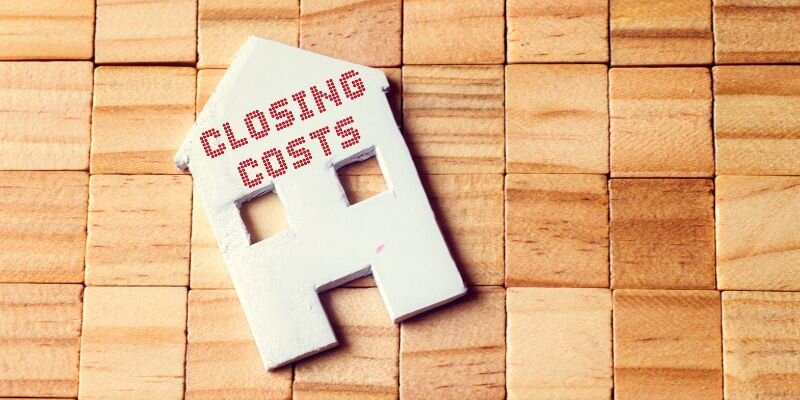
In Alaskan real estate deals, everyone needs to know who pays the closing costs, which can be tricky to figure out. In Alaska, closing costs can vary widely depending on the terms of the deal and local practices. Let buyers and sellers know what costs they can expect by reading this guide. It will look at how these costs are usually split. The goal of this piece is to give you the knowledge you need to handle transaction fees with confidence, and Alaskan Home Buyers can help guide you through every step. This will make your real estate experience in the Last Frontier smoother and more predictable.
Key Highlights
- Alaska’s closing costs are often below the national average, offering potential savings for buyers and sellers.
- Closing costs, including title insurance and escrow fees, are negotiable and frequently split between buyers and sellers.
- Anchorage incurs higher closing costs due to urban demand, whereas rural areas have lower costs.
- Sellers often cover agent fees, while buyers handle loan and title insurance costs, but roles can shift with negotiations.
- Strategies to reduce closing costs include negotiating fees, comparing mortgage lender rates, and leveraging market conditions.
Understanding Closing Costs in Alaska

If you want to buy or sell a home in Alaska, you need to know a lot of things about money, like how much closing costs are. Many factors can cause these prices to fluctuate significantly. They are very important for both buyers and sellers in a real estate deal. In Alaska’s market, things like trust fees, recording fees, and title insurance are very important. Also, prices in the state are often lower than those nationwide, which is good for people who want to buy or sell. We can use this to examine closing costs and learn how these fees can affect our Alaska real estate experience.
What Are Closing Costs?
People who buy and sell homes have to pay fees at the end of the deal. This is what we call “closing costs.” They handle all the paperwork and formalities needed to change ownership. One of the most important parts is title insurance, which protects the buyer and the lender from future claims. It also examines the property’s ownership to ensure there are no liens or other issues. As a third party, someone takes people’s money and papers and keeps them safe. The fees help the city or town keep good records of what people own.
Fees, such as loan fees and inspection fees, can also change the amount. You can make a deal and talk about closing costs in Alaska. Two people can each pay their fair share. If everyone knows these prices, they can spend less and finish faster.
Factors Affecting Closing Costs in Alaska
There are many important factors in Alaska that affect how much people pay in the end and what the “closed costs” are. Do check out the market, it’s important. More people want to buy when the market is strong, so prices may go up. When the market is weak, sellers may lower their prices. Where you go is also important. Most of the time, houses in Alaska’s towns and cities cost more than houses in the state’s rural places. This is because of the land’s value, taxes, and service fees. It might cost more or less to record, trust, and move land in the country vs. the city.
How you pay for the house can change how much it costs. When people borrow money, lenders charge fees like processing and filing fees. If someone wants to buy a house with a mortgage but doesn’t have enough cash for a down payment, they might have to pay extra fees, such as mortgage insurance. People who buy homes in an HOA may have to pay more at closing for fees or dues. Title insurance plans may cost different amounts, and those already purchased may be less expensive. Lastly, the taxes and fees people have to pay can change because of state and local rules in Alaska. People can get a better idea of how much things cost if they know these things. The closing costs might even go down because of these things, which would make things go more smoothly.
Who Pays Closing Costs in an Alaska Home Sale?
Different Alaskans may have very different ideas about who should pay the closing costs when they buy or sell a home. Most of the time, each side pays its own share. Who pays what depends on the rules and how the deals are made. Some fees are paid at the time of sale, such as dealer and agent fees. Most of the time, the buyer pays for other fees, such as trust fees and title insurance. Both sides must agree on how to split these costs before the sale goes through. Everyone can make a plan for how to spend their cash this way.
Typical Responsibilities of Sellers and Buyers

The way buyers and sellers split closing costs in Alaska’s real estate market depends on the timing of the deal, local traditions, and market conditions. A real estate agent’s fee is usually paid by the seller and is based on the home’s sale price. Most of the time, they cost the most. To make the change public, they might also have to pay transfer or filing fees. Sometimes sellers pay for fixes or updates requested during inspections. This is done to keep the sale on track and protect the offer price.
On the other hand, buyers who take out loans usually have to pay loan-related costs. There may be fees to get the loan, fees for handling the loan, and even mortgage insurance if the down payment isn’t enough. Buyers often pay trust fees and title insurance in addition to the purchase price. If there are problems with the title, the title insurance will cover both the buyer and the seller. These jobs are common, and a lot of the prices can be worked out. People who want to buy may be willing to pay higher fees if it strengthens their deal in a competitive market. There may be times when sellers are willing to help cover the buyer’s closing costs to close the deal. People who are ready to deal and know what they need to do are better off in Alaska’s home market.
Specifics of Closing Costs in Anchorage
Look closely at Anchorage’s real estate market to get a full picture of how much it costs to close a deal. The cost of closing a deal in this busy Alaskan city depends on many factors. Think about how Anchorage is different from other places to get a better idea of why these costs might be different and who pays them when you sell your home for cash in Alaska. People who want to buy or sell a home can learn a lot about the Anchorage market by researching it.
The Anchorage Market Context
And this is why Anchorage’s real estate market is different from the rest of Alaska’s markets. Many people want to live in Anchorage because it is the state’s largest city. There is a straight link between this and home prices and closing costs. How much people pay at closing can vary based on factors such as the property’s size, the number of owners, and local rules. Trust fees, title insurance fees, and other fees often go up when home prices do. Some people might be ready to pay more to get the deal done faster, as more people want to buy. There is a different way to make deals here than in the country.
Anchorage, Alaska, makes money from oil, tourists, and the base. It now costs more and takes longer to get loans because of this. The lender can adjust loan terms, application fees, and deal costs based on market conditions and the loan’s riskiness. Prices are also affected by the cost of running a business and by the stability of demand in the city. Speed and efficiency are what matter most of the time. Because of how things work in their area, they might have to pay more for trust and loan fees. Most of the time, the seller pays for the closing costs, the agent’s fees, and any repairs needed to meet city market standards. Before you buy or sell in Anchorage, you should know about these things. This will help you discuss and plan for closing costs more effectively.
How Anchorage Compares to Other Locations
Alaskan towns like Juneau and Fairbanks are very different in terms of cost, population, and business strength. It costs more to close a deal on an Alaskan home because they are more desirable and therefore more expensive. Since not many people buy and sell in the country, it may be cheaper in terms of taxes, insurance, and regulations. This deal might be better to close if you look at Anchorage.
If the nearby towns change, so might some fees. Title insurance may cost more now that there are more deals and stricter review rules. The city’s real estate market moves faster and has more going on, so this might cost more. On the other hand, deals in rural areas may require fewer forms or steps, so they cost less to handle.
Anchorage is liked by even more people because it’s a great place to spend money and do business. People who buy homes might have to pay more for their loans and insurance because of this. You might have to pay more to close, but now you have a chance to make things work. When many people want to buy, sellers may ask for help. But they should keep an eye on the price and rules to keep people interested. Everywhere in Anchorage is a different place to buy and sell. This helps people get ready for the costs of closing and get used to how the market changes.
If you have questions about closing costs or want guidance suited to your situation, contact us today.
Strategies to Minimize Closing Costs

Alaskans who want to buy or sell a home need to know how to keep closing costs as low as possible. Smart deal-hunters can cut down on the costs of making the deal happen. This section offers tips for both buyers and sellers looking to cut costs. One way to do this is to learn about the local real estate market and use that knowledge to discuss fees and look for ways to lower trust fees. If people know these tips, they can better handle closing costs and ensure the deal goes through smoothly.
Tips for Sellers and Buyers to Save on Costs
People in Alaska who buy or sell a home can feel less worried about money if they know how to handle closing costs well. It is possible for sellers to save money by negotiating the real estate agent’s fees up front and by exploring structures with lower or tiered fees when they are offered. You can also avoid spending too much on repairs before closing by focusing only on fixes that need to be done, not on changes that just look nice. Selling managers can help sellers keep their total costs in check by telling them about fees and what to expect.
There are different ways for buyers to save money. There are many lenders out there, so it’s important to compare them all. This is one of the best ways to save money on a mortgage. The market will be more competitive if you ask for multiple prices. This could mean better loan terms. The buyer and seller can also agree to split closing costs, such as trust fees, if the seller needs to close quickly. It’s very important that the market is in good shape. When the market is a seller’s market, it might be harder to reach a deal. But when the market is a buyer’s market, buyers can negotiate more favorable terms.
Also, both parties should read the HOA dues and escrow fee breakdowns, as well as the rest of the deal, very carefully to ensure there are no hidden or unanticipated fees. Working with a trust company that has done this before can speed up the process and help you find ways to save money without giving up security. In the end, lowering Alaskan closing costs takes planning, honesty, and strong negotiation skills. Buyers and sellers can make deals go quickly and keep their money safe if they know what to do and do it.
Do you need to sell your home? Sell your house fast for cash in Anchorage, AK, and other nearby areas. Avoid costly repairs, or prefer a hassle-free sale. Alaskan Home Buyers is here to help. We offer fair cash offers, handle all the details, and make the process seamless. Ready to sell or have questions? Call us at (907) 531-5345 for a no-obligation offer. Get started today!
FAQs:
Who typically pays for closing costs in Alaskan real estate transactions?
In Alaska, closing costs are often shared between buyers and sellers, based on local customs and negotiation. Sellers typically cover agent fees, while buyers handle loan and title insurance costs, although this can vary with negotiations.
How are closing costs different in Anchorage compared to other Alaskan regions?
Closing costs in Anchorage are higher due to urban demand and property value, contrasting with lower costs in rural areas. Factors like economic activity and property taxes contribute to these differences.
What are the key components of closing costs in Alaska?
Key components include title insurance, escrow fees, recording fees, and lender-related expenses, such as loan origination fees. Title insurance protects against future claims, while escrow fees manage funds and documentation.
What strategies can buyers and sellers use to reduce closing costs?
Strategies include negotiating fees, comparing mortgage lender rates, and leveraging market conditions. Both parties can potentially share costs, and buyers can shop for better mortgage terms to lower expenses.
How does the type of financing affect closing costs in Alaska?
The financing type can affect closing costs, as loans may include lender fees such as loan origination and processing expenses. Mortgage insurance is also applicable if the standard down payment requirements aren’t met.
Helpful Alaska Blog Articles